Sustainability
We take care of sustainable networks. And a sustainable society.
We install and maintain networks you can rely on. That is why we take responsibility for sustainability at every step.
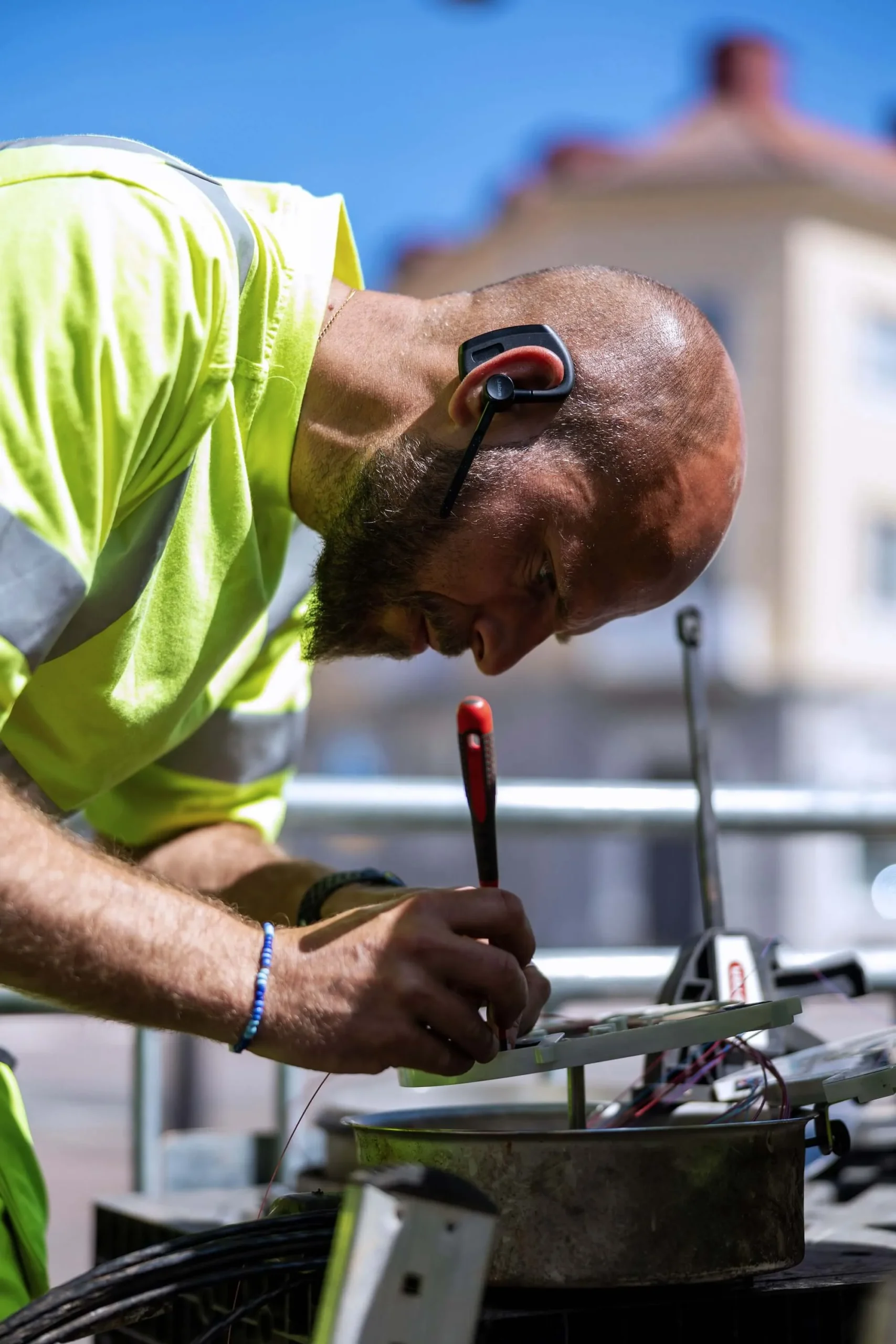

We take responsibility for networks that last and have a lower impact

We have set climate targets verified by the Science Based Targets initiative (SBTi). These targets ensure that our emission reductions are aligned with the Paris Agreement’s 1.5 degree goal. We report transparently to CDP and work in a structured way to reduce climate impact both in our own operations and across the entire value chain.
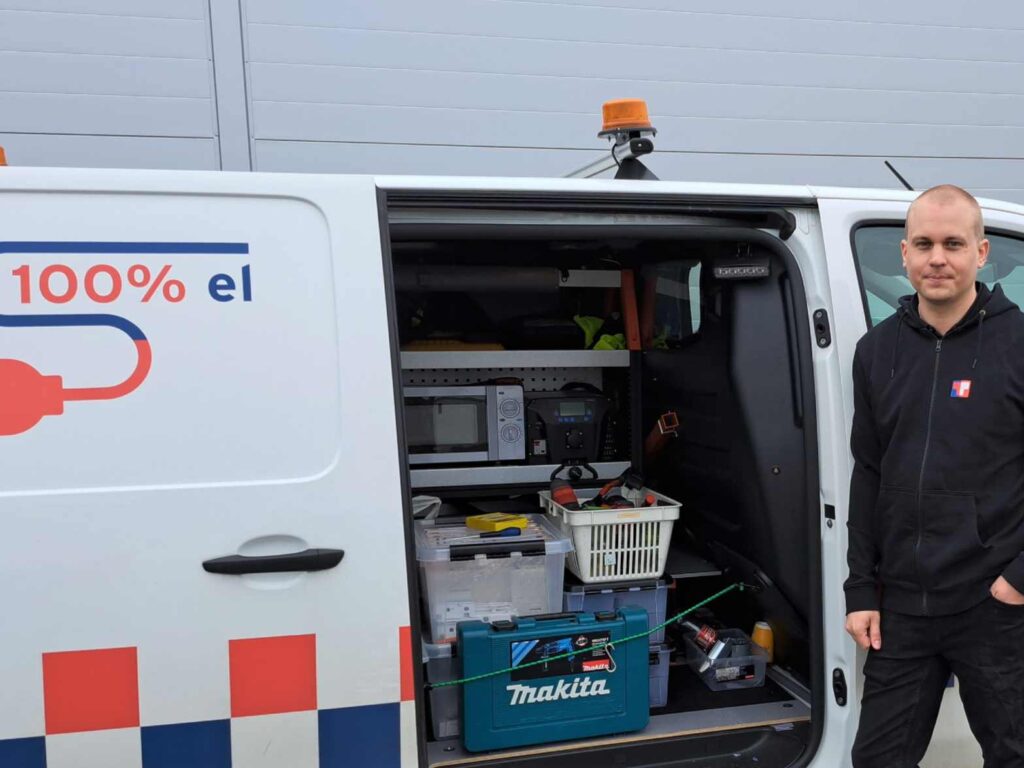
This includes phasing out fossil fuels, electrifying our vehicle fleet and transitioning to renewable energy. Our teams make conscious material choices with lower climate impact and continuously develop ways of working that reduce emissions step by step.
Beyond our climate targets, we also work actively to improve waste management and circularity. By improving processes and working closely with customers, suppliers and partners, we strengthen our ability to contribute to a more sustainable future.
Targets for 2030
Net zero CO₂e emissions in Scope 1 and Scope 2
50 percent reduction in Scope 3 CO₂e emissions compared to the 2020 baseline
100 percent recycled or reused waste
emissions from own operations by 2030
We report to CDP
share of electric vehicles in field operations
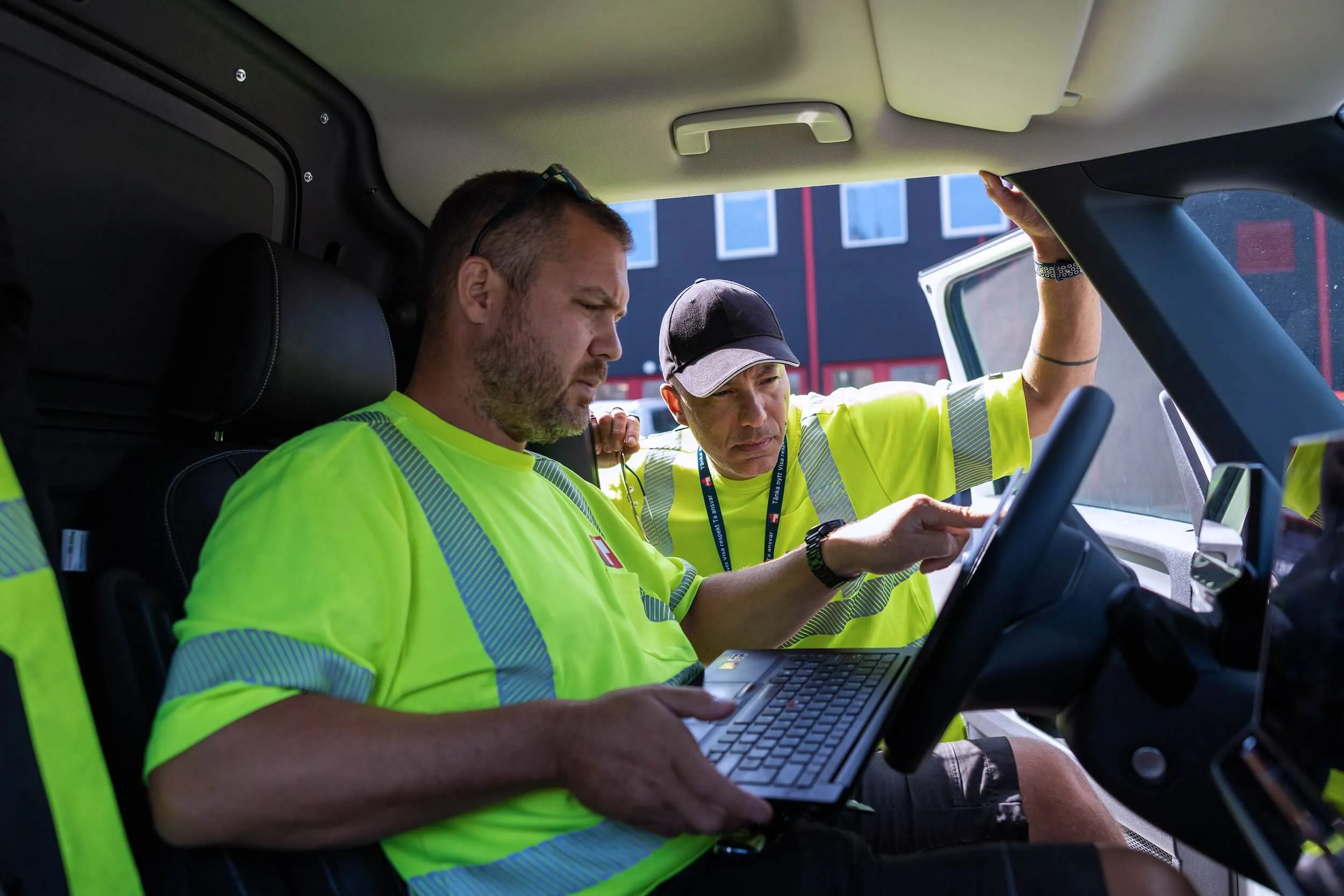
We take care of the people who keep the network running
Our employees are our most important asset, and their health and safety always come first. Our work often takes place in environments that require high risk awareness, a strong safety culture and continuous training. We work systematically to create a safe working environment where risks are prevented and safety improves over time. No one should be injured at work.
We promote diversity and inclusion to strengthen well-being and development in a traditionally male dominated industry. We have zero tolerance for discrimination and want everyone to feel welcome and respected. One of our long term goals is a balanced gender distribution in leadership positions by 2030. Our position on Allbright’s list of the stock exchange’s most gender equal companies shows that we are moving in the right direction.
Our social commitment also extends beyond the company. Since 2021, we have partnered with Stadsmissionen, contributing to initiatives that promote inclusion and reduce social exclusion, both within and outside Transtema.
Targets for 2025
eNPS +10%
A measure of employees’ satisfaction and engagement with their employe
LTIF below 10
Defined as lost time injury frequency per one million hours worked
HRM-Index above 50%
representing incident reports related to risk and proactive prevention
Targets for 2030
50 percent women and 50 percent men in leadership roles
Engaged employees
volunteer initiatives since 2021
We build long term and transparent partnerships
We have a responsibility to act with integrity, transparency and strong business ethics. Our Code of Conduct forms the foundation for this and applies to all employees and contracted suppliers.
To ensure compliance, we provide anti corruption training and offer an independent whistleblowing service that is accessible to everyone. We continuously follow up and improve our processes to maintain a high standard across the organisation.
Through our partner programme Transtema Link, we deepen collaboration with subcontractors. This enables shared principles for safety and quality and supports long term partnerships that strengthen the entire value chain.
Targets
- 100 percent of employees trained in anti corruption by 2026
- Ongoing customer satisfaction above 4.5 out of 5
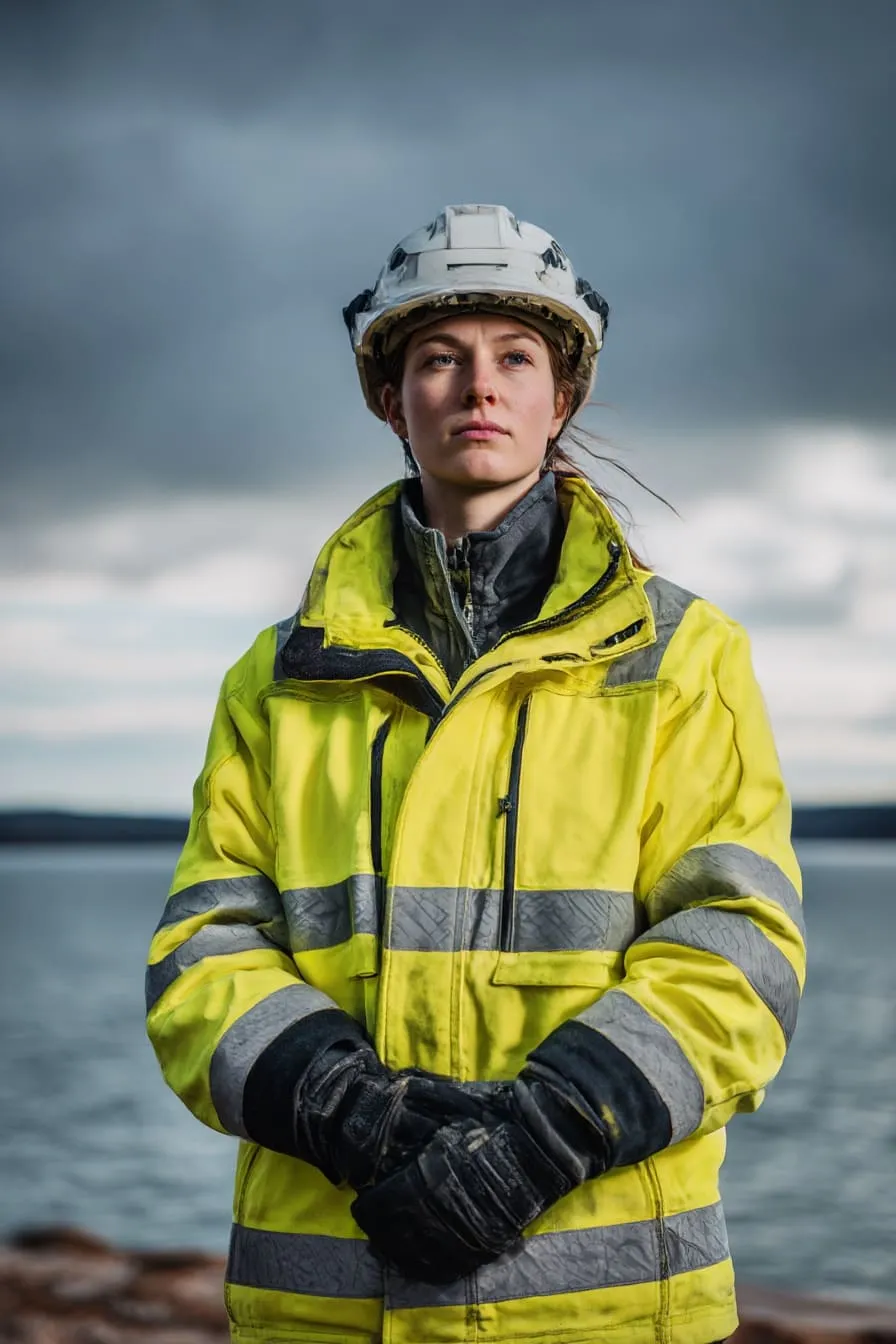
Customer satisfaction index (0-5)
partners in Transtema Link
Supplier satisfaction index (0-5)
How we work with sustainability in practice
Transtema Link
Through Transtema Link, we bring together subcontractors who take active and concrete responsibility for reducing emissions, improving quality and strengthening sustainability across the entire chain.
Material topics
Here we gather the sustainability areas that guide how we take responsibility and develop society critical infrastructure.